CategoriesNews

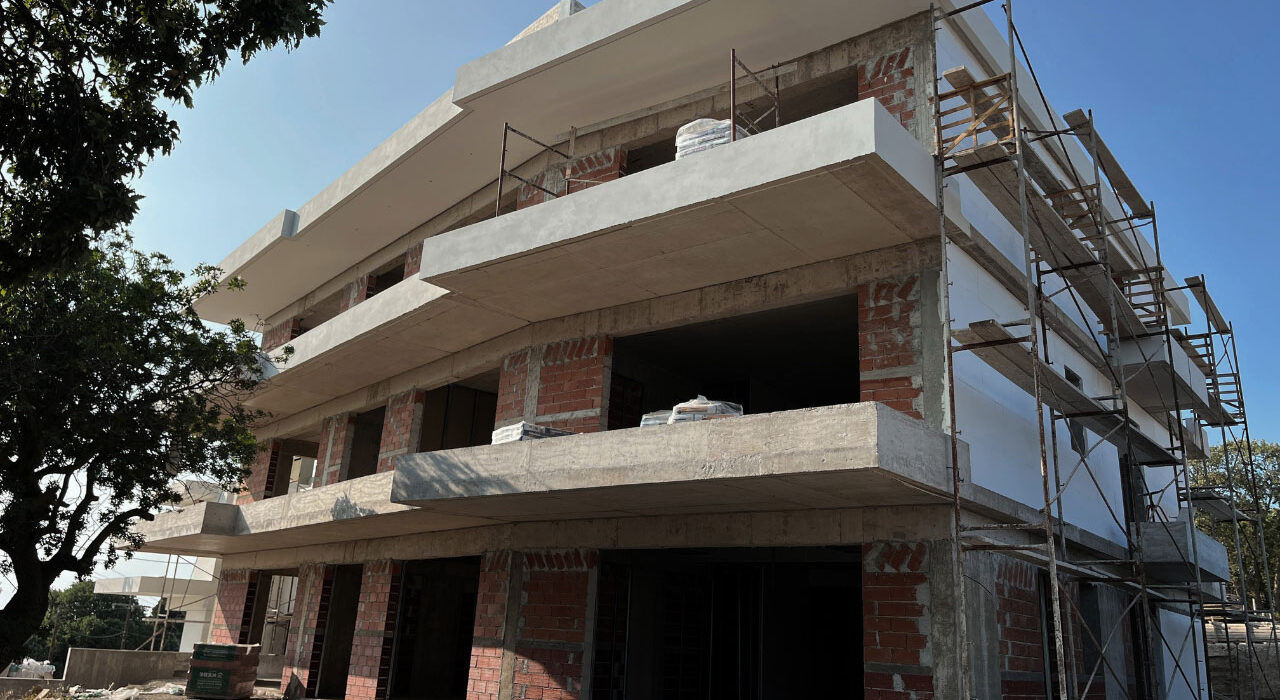
Earthquake-Resistant Construction

Earthquake-Resistant Construction: What It Means in Practice

Almost every new-build listing says "earthquake-resistant construction". But what does that phrase actually mean? And how do you know the home you're buying is properly built? In a seismically active country like Greece, and on an island like Rhodes, it's worth knowing what lies behind that phrase.

What "earthquake-resistant" means

Earthquake-resistant doesn't mean a building "won't move". It means it has been designed and built to withstand the earthquakes expected in its area: in frequent, smaller earthquakes it should suffer no significant damage, and in a strong earthquake it should not collapse and should protect the people inside.

This isn't a matter of goodwill. It is set by the applicable seismic code (the Greek Seismic Code or Eurocode 8), which takes into account the seismic hazard of each area, the ground conditions and the use of the building.

What determines how a home performs in an earthquake

  • The structural design: a civil engineer calculates the load-bearing frame (columns, beams, slabs, shear walls) in line with the code.
  • The ground and foundations: a geotechnical survey shows how the soil will behave, and the foundations are designed accordingly.
  • The materials: the grade of concrete and steel specified in the design must be what is actually used on site.
  • Workmanship on site: even the best design loses its value if reinforcement isn't placed correctly or concrete isn't poured as it should be.

Why a new-build has the advantage

Seismic codes have evolved significantly over recent decades. A building designed and built today incorporates all that knowledge, whereas with an older property you often don't know which rules it was built to, or whether its structure has been altered.

How we build at K&V Diakogeorgiou

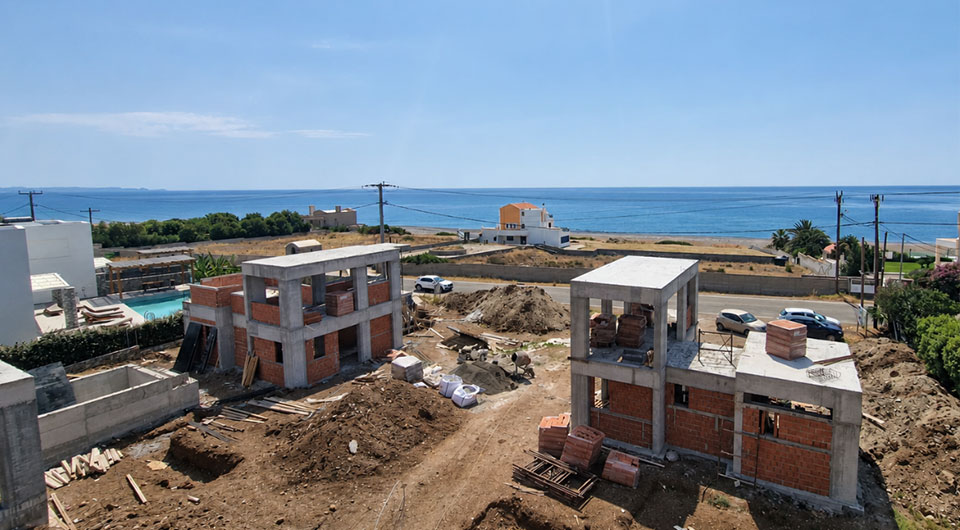
We've been building in Rhodes since 1977, and the safety of the homes we deliver is the foundation of everything we do. Every project is based on a structural design in line with the applicable code, is built under engineering supervision, and comes with a 5-year written construction warranty. If you'd like to see the design or visit one of our sites, we're happy to show you.

📞 Want to see how we build up close? Call us on (+30) 22410 29318 or see our Projects in progress.

CategoriesNews

Living in Rhodes All Year Round

Living in Rhodes All Year Round: A Quality of Life That Doesn't End with Summer

In summer, Rhodes is known around the world. But few people know how beautiful life here is for the rest of the year. When the visitors leave, the island shows its most authentic side: calmer, more personal, yet always alive.

Sunshine almost all year

Rhodes is one of the sunniest places in Greece, with more than 3,000 hours of sunshine a year and mild winters. A walk by the sea in November, coffee in the sun in February, the first swim of the year as early as spring.

Nature and fresh air

Beyond its beaches, Rhodes has pine forests, mountains, valleys and traditional villages. The sea and the greenery bring fresh air and space to breathe. A hike up Filerimos or through the Valley of the Butterflies, a walk at sunset: here, nature is part of everyday life, not just a holiday destination.

A more human pace of life

Short distances, without the stress and traffic of a big city. More time for family and friends, food made with fresh local produce, neighbours who know each other. This is the quality of life that leads so many people to choose Rhodes as their permanent home.

Alive all year round

Rhodes Town and Ialysos stay lively through the winter, with shops, restaurants, services and cultural events. And when you need to travel, the airport operates all year with daily flights to Athens.

A home for every season

To enjoy the island all year, you need a home that's just as comfortable in January as it is in July. In every K&V Diakogeorgiou new-build, thermal insulation, energy-efficient windows and proper heating are part of the construction from the start.

Thinking of living in Rhodes? See our Available Properties or call us on (+30) 22410 29318.

CategoriesNews

Land Owner Trade-In in Rhodes: What It Is and What the Owner Gains

Do you own a plot of land in Rhodes but don't want to — or can't — take on the cost and risk of construction? Antiparochi is probably the smartest solution: you put your land to use without spending a cent out of pocket, and end up with finished apartments. Here's exactly how it works and what to watch out for.

What is a land-for-apartments agreement?

It's an arrangement in which the landowner hands over their plot to a construction company, and in return receives a percentage of the properties that will be built on it. The owner pays nothing for the construction — the company covers the entire cost and the whole project, from permitting through to delivery, and keeps the remaining percentage of the properties as its fee.

How it works, step by step

  1. Land assessment: the area, the building coefficient, and the buildable square meters are evaluated.
  2. Percentage agreement: the owner and the company agree on the share of the new properties each will receive.
  3. Signing contracts: the legal documents securing both parties' rights are signed.
  4. Permitting and construction: the company handles the entire project through to completion.
  5. Delivery: the owner receives the finished properties that are their share.

How the owner's share is determined

There's no fixed number — the percentage is shaped mainly by the area and location of the plot, since it's directly tied to the sale prices of new-build apartments there. The more expensive the area, the larger the share the landowner can claim.

Factors affecting the percentage:

  • The commercial value of the area and sale prices per square meter.
  • The building coefficient and total buildable square meters.
  • The location, frontage, and distinguishing features of the plot (e.g., view, corner plot).
  • The construction cost and timeline the company takes on.

Since the builder invests significant capital and works on the project for several years, they seek a reasonable profit margin. That's why honest, cross-checked market research is the foundation of a fair deal for both sides.

What to check before choosing a company

This kind of agreement is a long-term relationship of trust — the percentage alone isn't enough. Before signing, check:

  • Reliability and track record: how many years the company has been operating and its financial standing.
  • Construction quality: visit previous projects and see the results firsthand.
  • A clear construction contract: specifications, timeline, penalty clauses, and warranties, in writing.
  • A general statement of obligations: a detailed description of exactly what will be delivered and to what specifications.

Advantages for the landowner

  • You put the land to use without needing to invest capital.
  • You gain finished, modern properties with commercial and rental value.
  • You transfer the construction risk and responsibility to the company.
  • You retain an asset that grows in value, instead of an idle plot of land.

FAQs

Does the owner pay anything under this arrangement?
Not for the construction itself. The construction company covers the project cost. The owner gives up a share of the land and receives a corresponding share in finished properties. Taxes and notary fees are assessed case by case.

What percentage does the landowner get?
It depends mainly on the area and local sale prices. There's no fixed percentage — it's determined through market research and negotiation that accounts for buildable square meters and construction cost.

How long does this type of project take?
From agreement to delivery, the project usually takes several years, depending on the size of the construction and the permitting process.

CategoriesNews

Golden Visa & Real Estate Investment in Rhodes: What Applies in 2026

Rhodes is not just a tourist destination — it has evolved into one of the most attractive places for real estate investment in Greece. With strong tourist demand, stable rental yields, and access to the Golden Visa program, the island attracts buyers from the US, the Middle East, and Britain. Here's what you need to know for 2026.

What is the Golden Visa and how does it work

The Golden Visa is a program that grants a five-year renewable residence permit to non-EU citizens who invest in real estate in Greece. It offers the right of residence, free movement within the Schengen area, and family reunification, without any obligation of permanent residence in the country.

Investment thresholds in 2026

Following the changes introduced in 2024–2025, the program operates under a three-zone system:

  • €800,000 in high-demand zones (Athens, Thessaloniki, and certain popular islands).
  • €400,000 in the rest of Greece, which includes many island options.
  • €250,000 for properties converted from commercial to residential use, or for buildings of historic/cultural value undergoing restoration.

Important: thresholds and zone classifications may vary. Before any move, confirm the applicable threshold for the specific property with your legal advisor.

Why Rhodes stands out for investment

Rhodes combines two things that rarely coexist: a lifestyle destination and real yield. It consistently ranks among the areas with the highest foreign buyer activity, alongside Crete and the Peloponnese.

  • A strong, extended tourist season supporting high occupancy rates.
  • Rental yields that, in tourist areas, can reach attractive levels.
  • Steady demand for both short-term and long-term leasing.
  • A quality of life that makes the property a personal retreat, not just an investment.

Where to start

  1. Define your goal: net rental yield, resale appreciation, or Golden Visa acquisition.
  2. Choose a location and property type that fits your goal — a new-build apartment with a view has different dynamics than a maisonette.
  3. Get a Greek tax number (AFM) and open a Greek bank account; both are required for any transaction.
  4. Work with a lawyer for the title check and a notary for the contract.
  5. Choose a reliable construction company with local presence and a proven track record.

Tax matters to know

Property transfer tax stands at 3%, while for new-builds the VAT suspension has been extended until December 31, 2026. Also factor in notary fees, lawyer fees, and Land Registry costs in your total budget. For a personalized picture, consult an accountant or tax advisor.

FAQs

Can a foreigner buy property in Rhodes?
Yes. There are no restrictions for non-EU citizens buying property in Greece, except for certain border zones where additional authorization is required.

What is the minimum Golden Visa investment threshold in Rhodes?
Depending on the area's classification and property type, the threshold ranges between €250,000, €400,000, and €800,000. Always confirm the applicable threshold for the specific property before proceeding.

What rental yield should I expect?
In tourist destinations like Rhodes, yields are competitive, with tourist areas at the higher end of the range. Final yield depends on location, lease type, and management.

CategoriesNews

Buying a New-Build Property in Rhodes: The Complete 2026 Guide

Buying a new-build home is one of the most important decisions in life — most people do it only once or twice. In Rhodes, where demand for quality new-build homes remains consistently high, proper preparation makes the difference between a safe investment and a costly disappointment. In this guide you'll find exactly what to check before signing in 2026.

Why choose new-build over an older property?

A new-build property gives you something a resale rarely offers: modern energy efficiency, zero immediate renovation needs, and technologies that cut your bills from day one. You're not just buying square meters — you're buying lower maintenance costs and greater comfort for decades to come.

  • Energy class A or higher, with substantially lower heating and cooling bills.
  • Modern thermal insulation, new-generation frames/windows, and smart home integration potential.
  • No hidden wear: plumbing, electrical, and structural elements are new and certified.
  • Higher resale value and easier rental prospects, especially in a tourist destination like Rhodes.

The 7 points to check before you sign

1. Energy class and Energy Performance Certificate (EPC)
Ask in writing for the property's energy class and EPC. Since 2026, energy upgrading of buildings has been at the center of legislation, and a high-class property protects you from future obligations and drastically reduces operating costs.

2. Construction quality and specifications
Don't stop at square meters. Ask for a detailed technical description: type of thermal insulation, brand and category of frames/windows, heating/cooling system (e.g., underfloor heating or fan coil), flooring, waterproofing, and soundproofing. A reliable construction company will provide this information without hesitation.

3. Legal and technical inspection
Before anything else, have a lawyer check the title deeds at the Land Registry and an engineer check the building permit and square footage. Confirm there are no liens, mortgages, or zoning/planning issues.

4. Contract and delivery timeline
The contract must clearly state the delivery date, specifications, penalty clauses for delays, and the staged payment schedule. Avoid verbal promises — whatever you agree on should be in writing.

5. Warranties
Ask what warranties cover the property after delivery — structural, plumbing, electrical, waterproofing. A serious company stands behind its work even after the sale.

6. Total purchase cost
Beyond the sale price, factor in transfer tax, notary fees, lawyer and engineer fees, and Land Registry costs. Note that for new-builds the VAT suspension has been extended until December 31, 2026, which can significantly affect your final cost.

7. Company reliability and track record
The most underrated criterion. Look at completed projects, ask to visit previous constructions, and check how many years the company has been active in Rhodes. A long, stable track record is the best guarantee of consistency.

How much does a new-build cost in Rhodes?

Prices are shaped mainly by location, view, floor, and the level of specifications. In the South Aegean islands, prices per square meter generally track quality and location — properties near the sea or with panoramic views sit at the higher end. The right question isn't just "how much does it cost," but "what exactly does this price include" — that's where the real value lies.

FAQs

Is it worth buying a new-build in Rhodes in 2026?
Yes, especially due to the extension of the VAT suspension on new-builds through the end of 2026, the high energy efficiency that lowers operating costs, and steady rental demand in a top tourist destination.

What documents do I need to buy?
You'll need a Greek tax number (AFM), a Greek bank account, and the help of a lawyer and a notary. The lawyer handles the title check and the notary drafts the contract.

How long does completing the purchase take?
When documents are in order, the process is usually completed within a few weeks to a few months, depending on whether the property is finished or still under construction.
CategoriesEvents

4th Diakogeorgiou Junior Tennis Cup

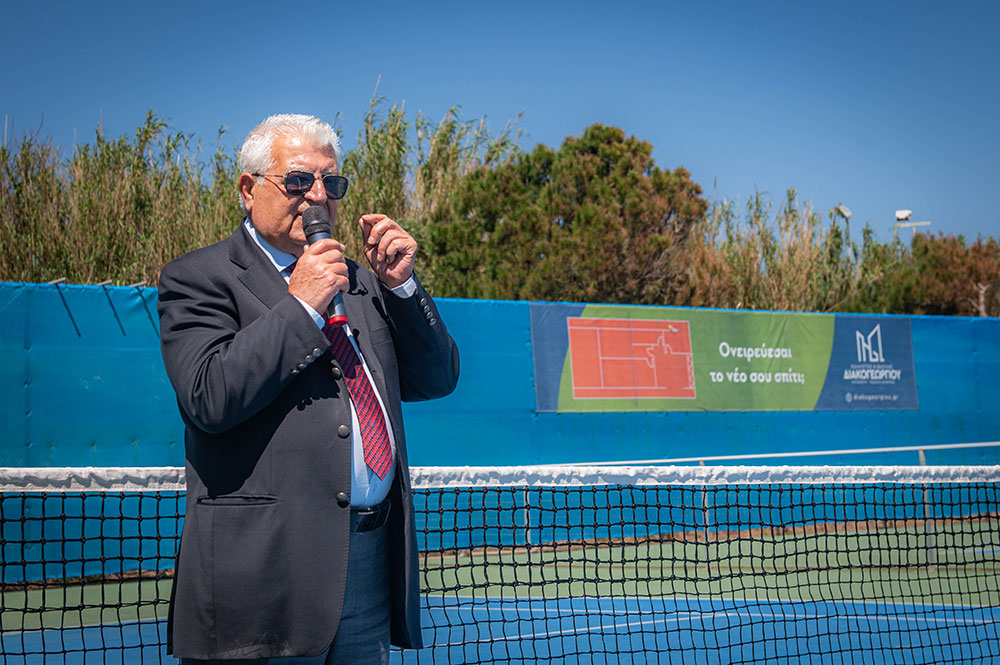
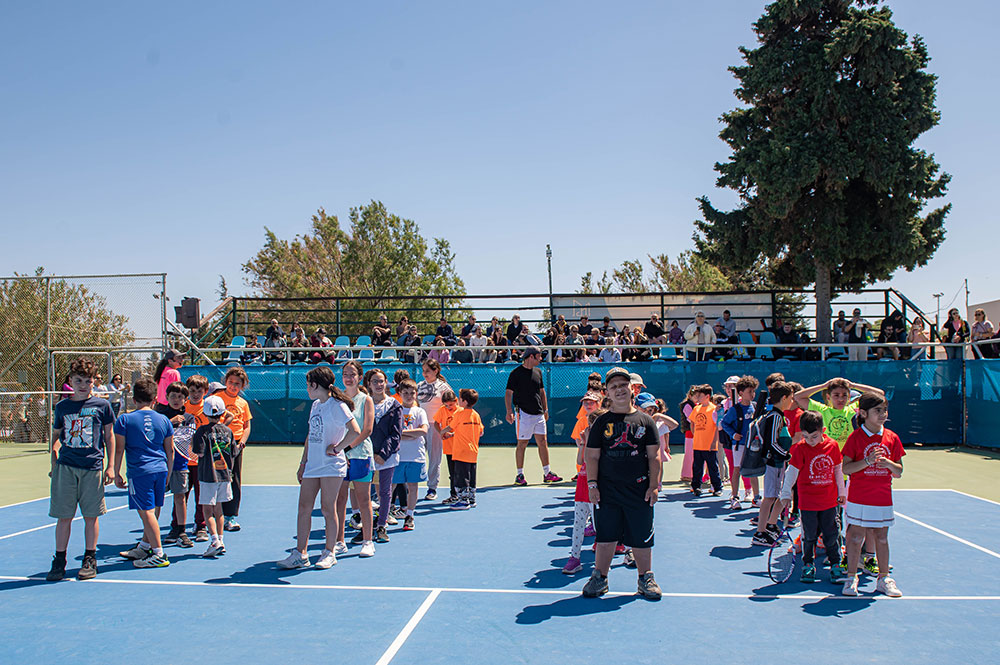
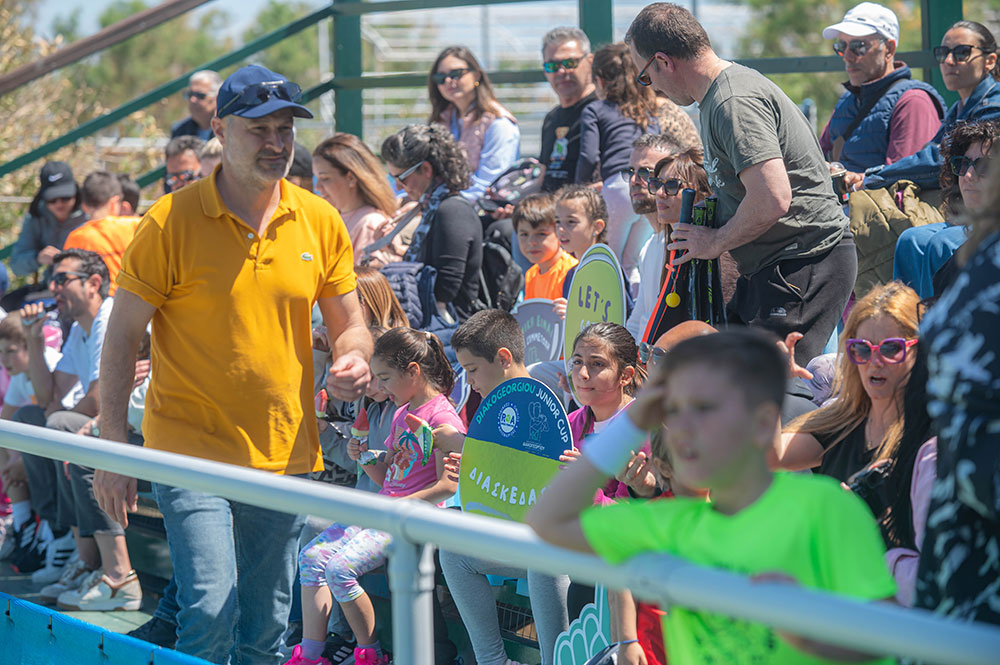
The 4th Diakogeorgiou Junior Tennis Cup was completed with great success, bringing together over 200 participants at the ROA facilities!

The event, organized by the Rhodes Tennis Club in collaboration with Kallistos & Vasilis Diakogeorgiou, once again gave young athletes the opportunity to take part in a unique celebration of tennis, full of matches, experiences, and unforgettable moments. Kallistos & Vasilis Diakogeorgiou continues to actively support sports and the new generation, consistently promoting the values of effort, discipline, and teamwork.

Are you looking for photos from the tournament?

Click the button to download your favorite moments from the match.

CategoriesNews

Supporting the New Generation of Rhodes: Sports & Innovation

Growth is not only about the projects that are completed.
It is about the values that are cultivated.

Kallistos & Vasilis Diakogeorgiou chooses to invest in the young generation that competes, learns, evolves and shapes the future of Rhodes.
Supporting sports and technological innovation is not simply an act of corporate responsibility. It is an integral part of a long-standing philosophy built on consistency, endurance and the strong foundations that define the Diakogeorgiou family.

Antonia Papagapitou – International Competitive Presence in Tennis

Antonia Papagapitou continues to build a dynamic international junior tennis career, with recent achievements confirming the high level of her competitive development.

  • Champion at the Shkodra Open U16 (Category 3) in doubles, alongside Eirini Bekiaris.
  • Title winner at the international Ullevi Tennis Open in Sweden.
  • Wins and qualifications in Tennis Europe U14 & U16 tournaments.
  • Active participation in the international ITF Junior competitive circuit.

These accomplishments demonstrate not only athletic ability but also competitiveness at an international level - requiring discipline, systematic training and strong mental resilience.

Eirini Bekiaris – Competitive Consistency & International Titles

Eirini Bekiaris is one of the emerging talents in Greek junior tennis, with significant distinctions in recent years.

  • Co-champion at the Shkodra Open U16 in doubles.
  • Distinctions in Tennis Europe tournaments.
  • Participation in international ITF Junior events with official ranking registration.

Her consistent presence in high-level competitions reflects professionalism, dedication and a serious commitment to her athletic development.

Ioanna Kladiti – Discipline & Competitive Growth in Jiu-Jitsu

Jiu-Jitsu demands self-control, focus and respect.

Ioanna Kladiti maintains an active competitive presence in national tournaments, continuously developing technical skills, strategic thinking and mental strength.

In sports rooted in personal discipline, progress is not measured only in medals - but in character formation, stability and inner resilience.

Anosis Robosynartiseis – Robotics, STEM & Recent National Distinctions

Supporting Anosis Robosynartiseis strengthens a different yet equally demanding field: technological education and innovation.

The Academy has achieved notable distinctions:

  • 1st Place at the Regional FLL 2026 (FIRST LEGO League).
  • Student selection for the Pre-National and National FIRST® Global Team Greece.
  • Participation in the FIRST® LEGO® League Greece Final with the project “Nafsika”.
  • Distinctions in the World Robot Olympiad (WRO).
  • Selection of 11 students to pre-national team development groups in 2025.

Robotics cultivates analytical thinking, teamwork and technological creativity - skills that shape the future of education and sustainable development.

The Philosophy Behind the Support

Sports mean discipline.
Innovation means thinking.
The new generation means the future.

The decision to support young athletes and robotics teams reflects a broader vision of growth - where progress is inseparable from responsibility.

Just as in every well-built construction, foundations determine longevity.
The same applies to society.
Investing in young people who strive, excel and evolve is an investment in the future of our community.

CategoriesNews

Smart Homes: When Technology Meets Sustainability

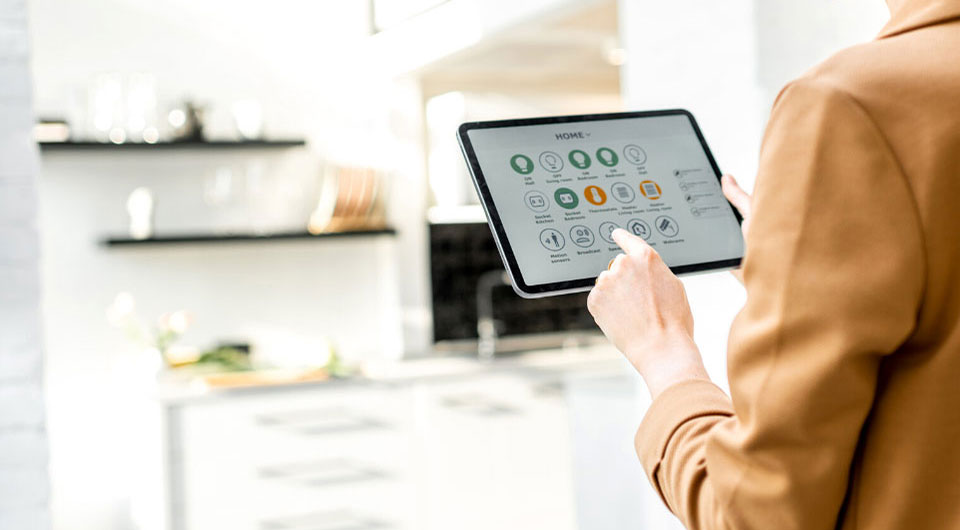
The concept of the “smart home” is no longer synonymous with luxury.
Today, automation systems are essential tools for reducing energy consumption while enhancing security and comfort - key factors that define the quality of a modern residence.

According to the International Energy Agency, smart buildings can reduce household energy consumption by up to 30% through automated lighting, heating, and cooling systems. At the same time, Statista (2025) projects that the global smart home market will exceed $190 billion by 2025, with more than 670 million households worldwide using smart devices on a daily basis.

When Technology Supports Sustainability

The shift toward smart homes is not just about convenience — it is about sustainability.
By combining intelligent automation with renewable energy sources such as solar panels, heat pumps, and energy storage systems, a building can achieve up to 70% energy autonomy, according to the European Building Performance Institute (2023).

In Greece, the Ministry of Environment, through the “Smart Buildings 2030” initiative, aims to upgrade 250,000 residences over the next five years, placing emphasis on automation technologies, energy monitoring sensors, and A+ energy certification.

The Future of Housing in Rhodes and Greece

Smart residences are expected to shape the property market in the years ahead.
Eurostat data shows that households implementing basic automation systems reduce electricity bills by an average of 18%.
In regions with strong sun exposure, such as Rhodes, smart shading systems and automated climate control can improve energy performance by up to 25%.

As Vasilis Diakogeorgiou notes:

“A smart home is not a passing trend; it is the natural evolution of thoughtful construction. When technology is integrated with proper design and sustainability principles, comfort gains real meaning.”
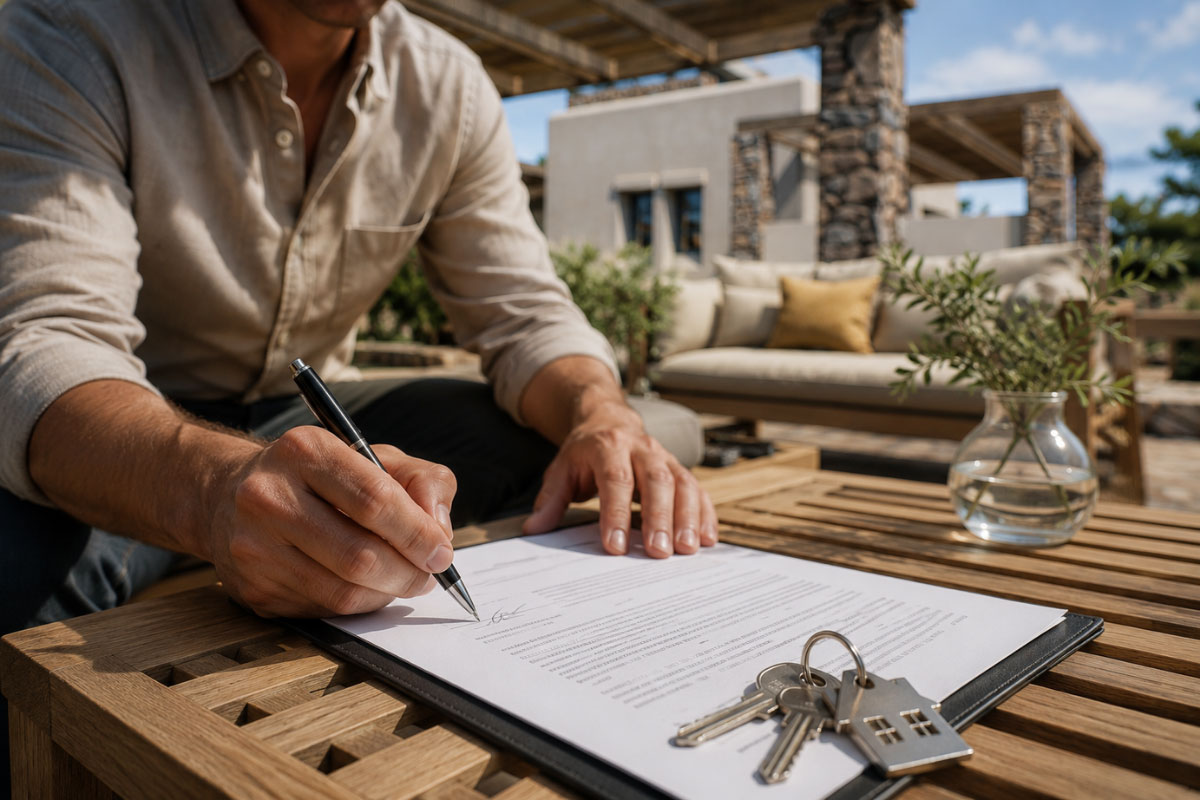
The success of a smart home starts at the planning stage.

Proper wiring, energy infrastructure, and the selection of certified systems determine whether a residence is truly intelligent — or simply equipped with gadgets.
In contemporary architecture, technology is embedded within the structure of the home, not added afterward.

Technology becomes truly “smart” when it serves sustainability, efficiency, and human well-being.
Smart homes represent the next step in a new housing philosophy — where energy performance, comfort, and security coexist, with both people and the environment at the center.

CategoriesNews

Thermal Insulation & Energy Performance: The “Invisible” Factor That Defines Comfort

Thermal insulation is one of the most critical — yet often unnoticed — elements of a well-built home.
It is what keeps warmth inside during winter and preserves cool air in summer. In many cases, it is the difference between a house that simply looks beautiful and a home that truly feels comfortable.
In modern construction, insulation is not only about reducing energy consumption. It is about overall quality of living. A properly insulated building maintains stable indoor temperatures, prevents moisture buildup, and significantly reduces the demand for heating and cooling systems.
The Importance of Proper Planning

Every home has its own orientation, structural materials, and environmental conditions.
Selecting the right insulation depends on several factors, including building location, wall thickness, sun exposure, and wind intensity.
A thorough technical study determines not only the appropriate material, but also the correct application method — and that is what ultimately defines performance.

The Impact of Insulation on Energy Consumption

According to data from the Greek Ministry of Environment and Energy, proper thermal insulation can reduce a building’s energy consumption by up to 30%. In older properties, energy savings may exceed 45% after a full energy upgrade.

Furthermore, Eurostat (2023) reports that heating and cooling account for more than 64% of total household energy consumption across the European Union — highlighting how crucial insulation is in reducing long-term operating costs.

In Greece, data from the Hellenic Statistical Authority shows that only 1.2% of households have proceeded with window replacement or wall insulation upgrades — a percentage expected to increase through programs such as “Exoikonomo 2024–2025.”

For regions like Rhodes, where average annual temperatures range between 10°C and 33°C, insulation is not a luxury — it is a prerequisite for energy stability.

Proper insulation balances indoor temperatures, reduces strain on cooling systems, and protects the interior of the home from extreme weather conditions.

The Detail That Makes the Difference

Thermal insulation is rarely visible. Yet it determines how a home feels, how long materials last, and how efficiently the building performs over time.

As Vasilis Diakogeorgiou notes:
“Energy efficiency does not begin with systems or equipment; it begins with the building envelope. With the way a home ‘breathes.’”

Proper insulation is the first step toward a sustainable and truly comfortable home.
You may not see it — but it makes all the difference.

CategoriesNews

How the Right Windows and Doors Improve Comfort and Reduce Energy Consumption in Your Home

What if we told you that windows and doors are the “frame” of your everyday life?

They’re the point where the indoors meets the outdoors — letting in the light, while keeping out noise and heat.

The importance of choosing right

Not all window and door systems are created equal. The material, the technology, and the installation process all affect your home’s insulation, safety, and sense of calm.
Each project we undertake in Rhodes is carefully studied to ensure that the chosen frames serve the home’s environment, purpose, and architectural style.

The three main types

Aluminium: Durable and timeless. Built to last, ideal for coastal areas and contemporary architectural designs.

Wood: Warm and naturally elegant. A choice that adds character and soul to traditional or stone-built residences.

Synthetic / PVC (energy-efficient): A smart combination of technology and sustainability. They can reduce thermal losses by up to 40% while offering excellent sound insulation.

In every case, the right choice begins with proper assessment — a step that should never be overlooked .

The role of energy-efficient windows in Rhodes

In Rhodes, famously known as the “island of the sun,” energy-efficient windows are far more than a comfort upgrade — they’re a tool for energy conservation. They reduce the need for cooling and heating, help stabilize indoor temperatures, and enhance the overall sustainability of a property.

Common mistakes we often see

  • Choosing frames without conducting an energy assessment.
  • Using unqualified or uncertified installers.
  • Underestimating the importance of sound insulation, especially in urban or touristic areas.

Small oversights that, in the long run, can become costly mistakes.

Frequently Asked Questions (FAQ)

Aluminum, wooden, and PVC (energy-efficient) — all featuring thermal insulation and certified safety and soundproofing standards.

Aluminum = security, Wood = aesthetics, PVC = energy efficiency.

For lower energy consumption, stable indoor temperature, and improved quality of life.

Contact

PHONE

(+30) 22410 29318

K.Palaiologou & Meg.Konstantinou,
Rhodes, P.C 85100

BUILDING THE FUTURE SINCE 1977

BUILDING THE FUTURE SINCE 1977

BUILDING THE FUTURE SINCE 1977

BUILDING THE FUTURE SINCE 1977

BUILDING THE FUTURE SINCE 1977

@KVDIAKOGEORGIOU

© copyright 2026. All Rights Reserved. Design & Development by Three Sixty Marketing