Land Owner Trade-In in Rhodes: What It Is and What the Owner Gains
Do you own a plot of land in Rhodes but don't want to — or can't — take on the cost and risk of construction? Antiparochi is probably the smartest solution: you put your land to use without spending a cent out of pocket, and end up with finished apartments. Here's exactly how it works and what to watch out for.
What is a land-for-apartments agreement?
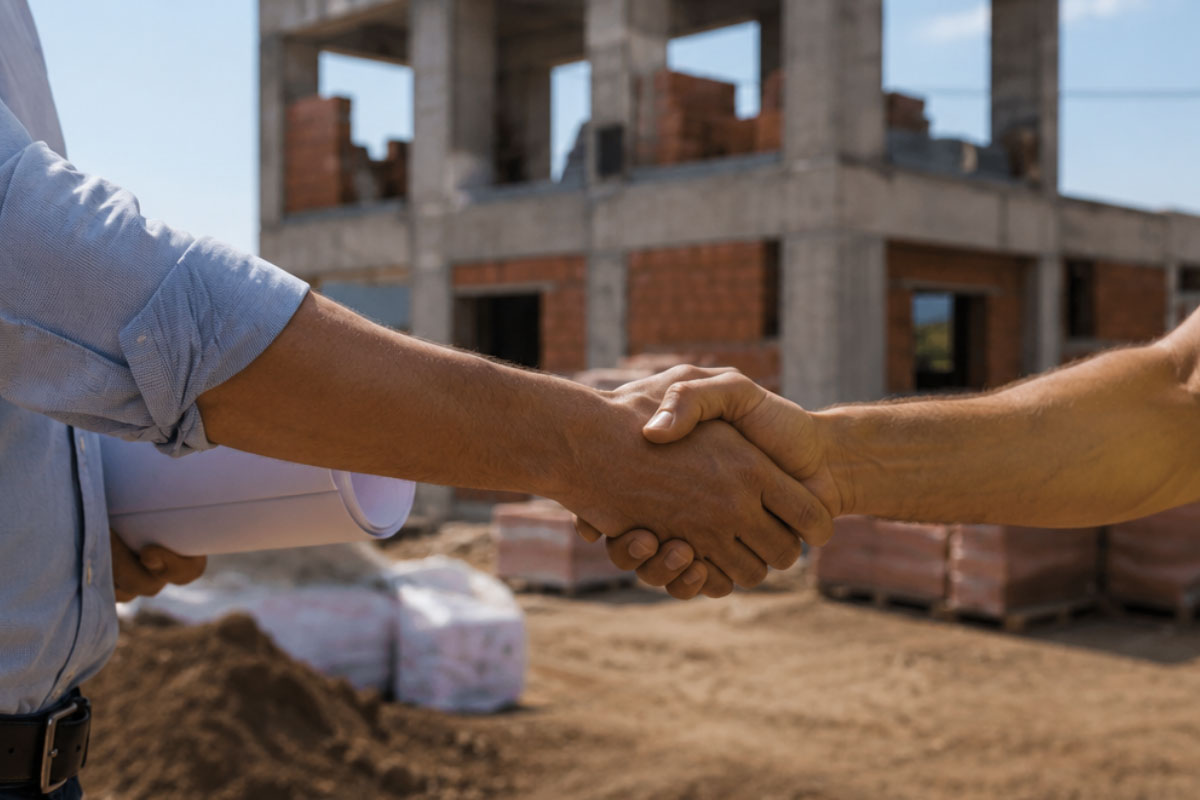
It's an arrangement in which the landowner hands over their plot to a construction company, and in return receives a percentage of the properties that will be built on it. The owner pays nothing for the construction — the company covers the entire cost and the whole project, from permitting through to delivery, and keeps the remaining percentage of the properties as its fee.
How it works, step by step
- Land assessment: the area, the building coefficient, and the buildable square meters are evaluated.
- Percentage agreement: the owner and the company agree on the share of the new properties each will receive.
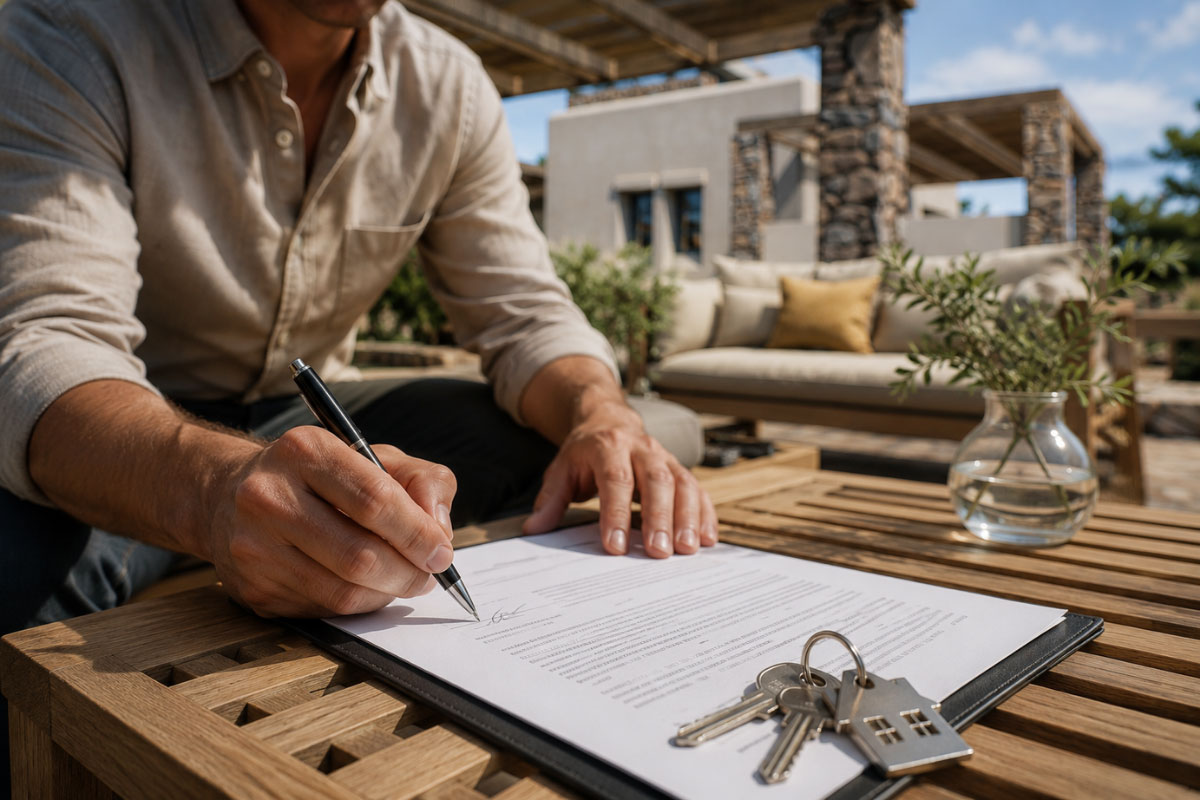
- Signing contracts: the legal documents securing both parties' rights are signed.
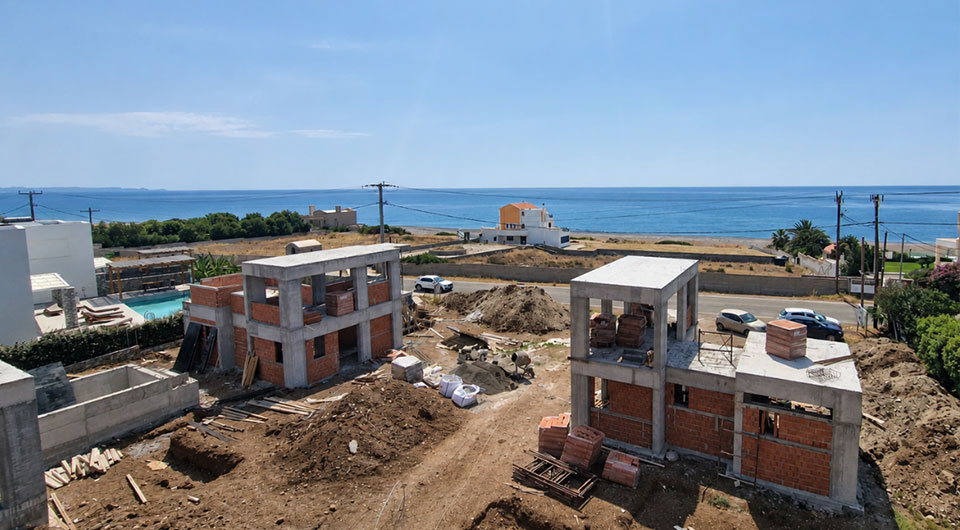
- Permitting and construction: the company handles the entire project through to completion.
- Delivery: the owner receives the finished properties that are their share.
How the owner's share is determined
There's no fixed number — the percentage is shaped mainly by the area and location of the plot, since it's directly tied to the sale prices of new-build apartments there. The more expensive the area, the larger the share the landowner can claim.
Factors affecting the percentage:
- The commercial value of the area and sale prices per square meter.
- The building coefficient and total buildable square meters.
- The location, frontage, and distinguishing features of the plot (e.g., view, corner plot).
- The construction cost and timeline the company takes on.
Since the builder invests significant capital and works on the project for several years, they seek a reasonable profit margin. That's why honest, cross-checked market research is the foundation of a fair deal for both sides.
What to check before choosing a company
This kind of agreement is a long-term relationship of trust — the percentage alone isn't enough. Before signing, check:
- Reliability and track record: how many years the company has been operating and its financial standing.
- Construction quality: visit previous projects and see the results firsthand.
- A clear construction contract: specifications, timeline, penalty clauses, and warranties, in writing.
- A general statement of obligations: a detailed description of exactly what will be delivered and to what specifications.
Advantages for the landowner
- You put the land to use without needing to invest capital.
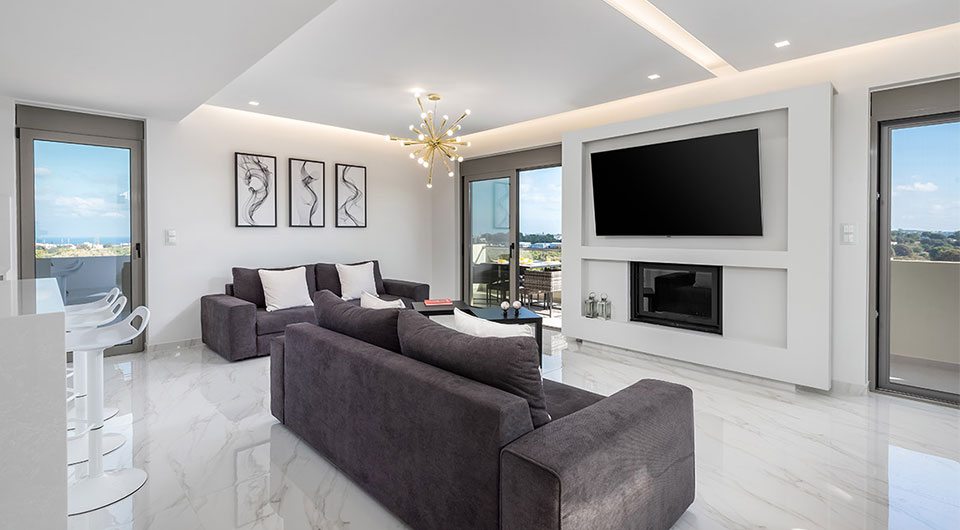
- You gain finished, modern properties with commercial and rental value.
- You transfer the construction risk and responsibility to the company.
- You retain an asset that grows in value, instead of an idle plot of land.
FAQs
Does the owner pay anything under this arrangement?
Not for the construction itself. The construction company covers the project cost. The owner gives up a share of the land and receives a corresponding share in finished properties. Taxes and notary fees are assessed case by case.
What percentage does the landowner get?
It depends mainly on the area and local sale prices. There's no fixed percentage — it's determined through market research and negotiation that accounts for buildable square meters and construction cost.
How long does this type of project take?
From agreement to delivery, the project usually takes several years, depending on the size of the construction and the permitting process.